
Arctic Sea Ice Day: Combatting An Uncertain Future With Education
Spurring Change to Protect Our Northern Waters
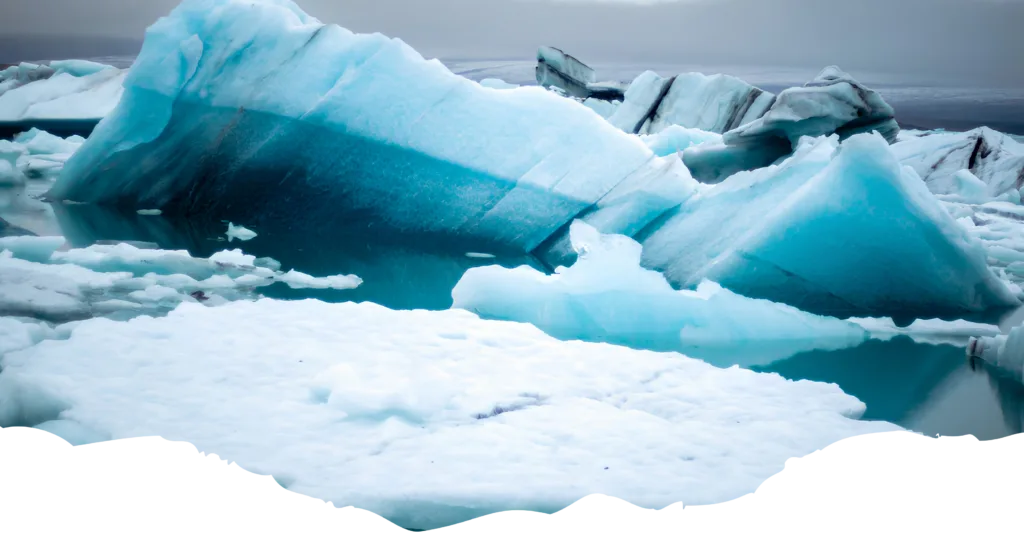
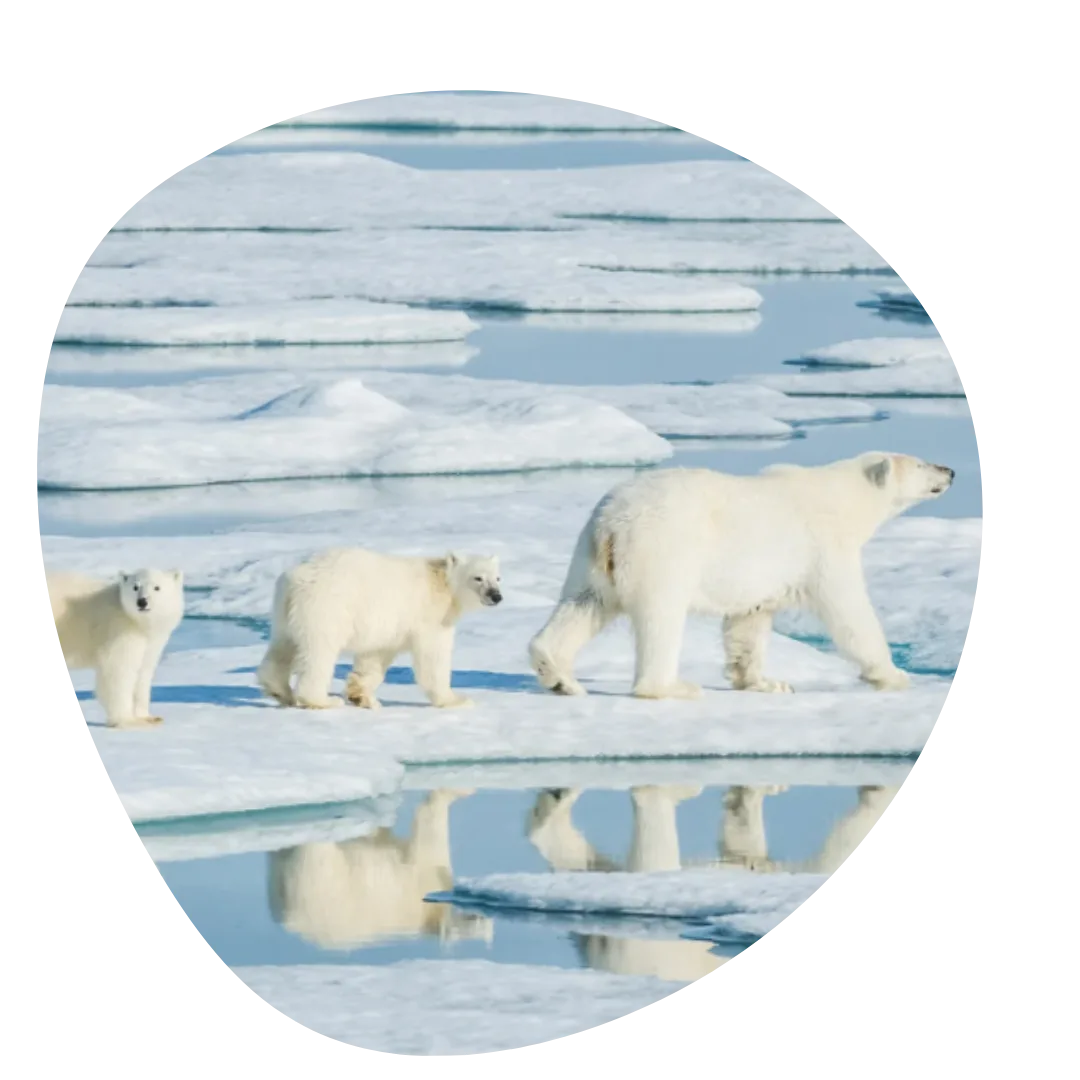
The Arctic is changing at a pace that is reshaping entire ecosystems. Arctic sea ice is rapidly declining, forming later in the year, becoming thinner, melting earlier and covering less surface area. These changes are disrupting how animals travel, hunt, feed and raise their young.
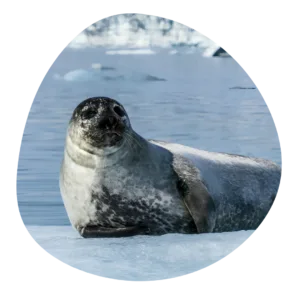
While polar bears are among the most recognizable animals affected by the loss of sea ice, many other iconic Canadian species, including seals, Arctic wolves, and caribou, are being forced to respond to conditions changing faster than they can adapt. Arctic Sea Ice Day, marked annually on July 15, draws urgent attention to the rapid decline of this critical habitat and what is at stake for the wildlife, food webs and communities that depend on a stable Arctic ecosystem.
Arctic Change on a Global Scale
Arctic sea ice may be thousands of kilometres from Toronto, but its decline has impacts that reach far beyond the North. Its loss is already changing how animals move and survive.
The Arctic is warming at roughly four times the global average, and this accelerated change is disrupting ecosystems that depend on stable sea ice and glaciers. As ice cover declines, important species, such as polar bears and Arctic wolves, lose essential habitat, and global sea levels rise, increasing risks for coastal regions. The reduction in reflective ice also decreases the amount of sunlight sent back into space, causing the darker ocean surface to absorb more heat and intensify overall global warming.
Innovating Arctic Conservation at the Toronto Zoo
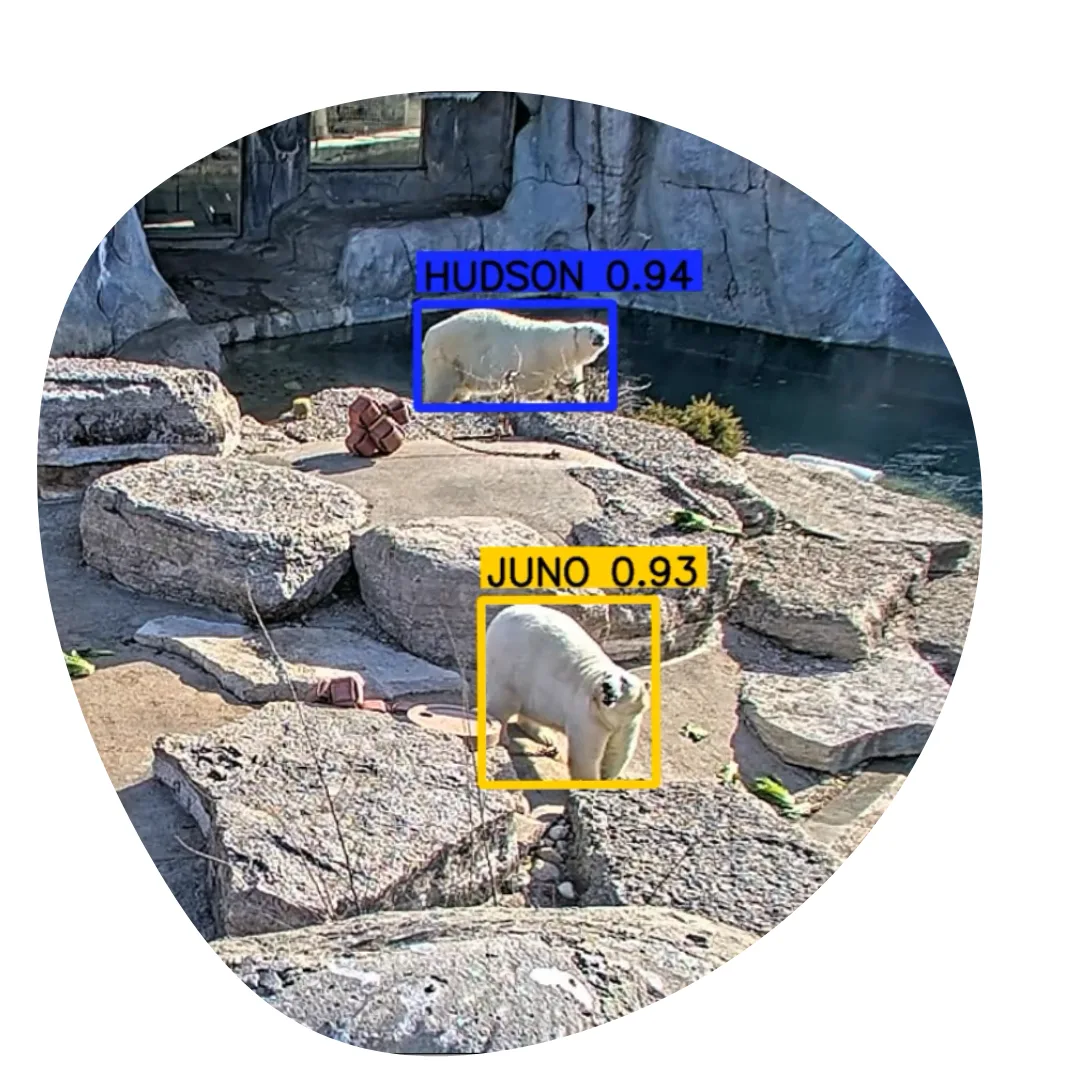
Researchers at the Toronto Zoo are also paying close attention to what Arctic species like polar bears do throughout the day across different seasons. Chief Science Officer Dr. Gabriela Mastromonaco, Dr. Molly McGuire and post-doctoral fellow Li-Dunn Chen are developing AI-enhanced tools that can track activity, behaviour, and possible signs of changes in animal well-being.
By tracking these changes during different seasons, we aim to gather information that strengthens care at the Zoo and as well as add to what researchers know about Arctic animals facing environmental change, translating these insights to support conservation efforts of free-ranging animals in the wild
In addition, the Toronto Zoo is finding new ways to educate. Innovative tools like On Thin Ice allow guests to explore how the loss of sea ice disrupts Arctic life. By downloading the free app and connecting to the On Thin Ice experience, guests can interact with life‑sized AR Arctic animals and learn about their adaptations and the climate challenges they face. A preview of the experience is also available off‑site, giving people a chance to engage with these species and their stories wherever they are.
Working Behind the Scenes to Make a Difference
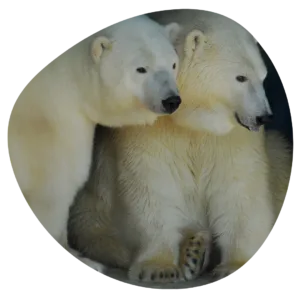
Some of the Zoo’s work for these animals happens out of sight. Behind the polar bear habitat, construction is in the works on a new Life Support System that manages the water in their pools. This project is about improving the environment and habitat for the four polar bears in the Zoo’s care. This new system will control filtration, temperature, and water quality throughout the day – directly impacting the health and well-being of the bears. The pools are also being transitioned from fresh water to salt water, creating conditions closer to the northern ocean habitat experienced by wild polar bears.
These habitat enhancements were made possible, in part, by our dedicated community of donors. Contributions from the 2025 and 2026 Move Your Paws Run, along with a meaningful bequest, played a key role in bringing this project to life.
Small Steps Towards Big Goals
Protecting Arctic sea ice begins with reducing the greenhouse gas emissions that are driving climate change. Choosing public transit, using less electricity during peak hours and running major appliances at night can all help lower demand on the electrical grid.
The Toronto Zoo supports this effort through the Ice Bear energy storage system located outside the Caribou Café. The system freezes water overnight, when electricity demand is lower, then uses the stored ice to cool buildings during the day. By shifting energy use away from peak periods, the Zoo reduces strain on the grid and helps lower emissions. These efforts support a more stable climate and the Arctic wildlife that depends on sea ice.
It’s Not Too Late to Save the Arctic Sea
This Arctic Sea Ice Day, let’s turn awareness into action. The changes unfolding in the Arctic are a powerful reminder that our choices matter. While the region is transforming at an unprecedented pace, there is still reason for hope. By reducing our carbon footprint and supporting conservation efforts, each of us can make a difference.
The future of the Arctic is not yet written. Every action we take, whether that be the conservation and education efforts of the Toronto Zoo or your at-home climate-conscious decisions, helps safeguard this unique ecosystem. Together, we can be part of the solution and help ensure a healthier, more resilient Arctic for the future.