
With Your Support
Together, we can make the Toronto Zoo’s Indoor African Savanna a world-class centre of excellence in animal health, welfare, conservation, and community engagement.
Set for completion in 2029, this new, innovative centre will offer:
White Rhinoceros
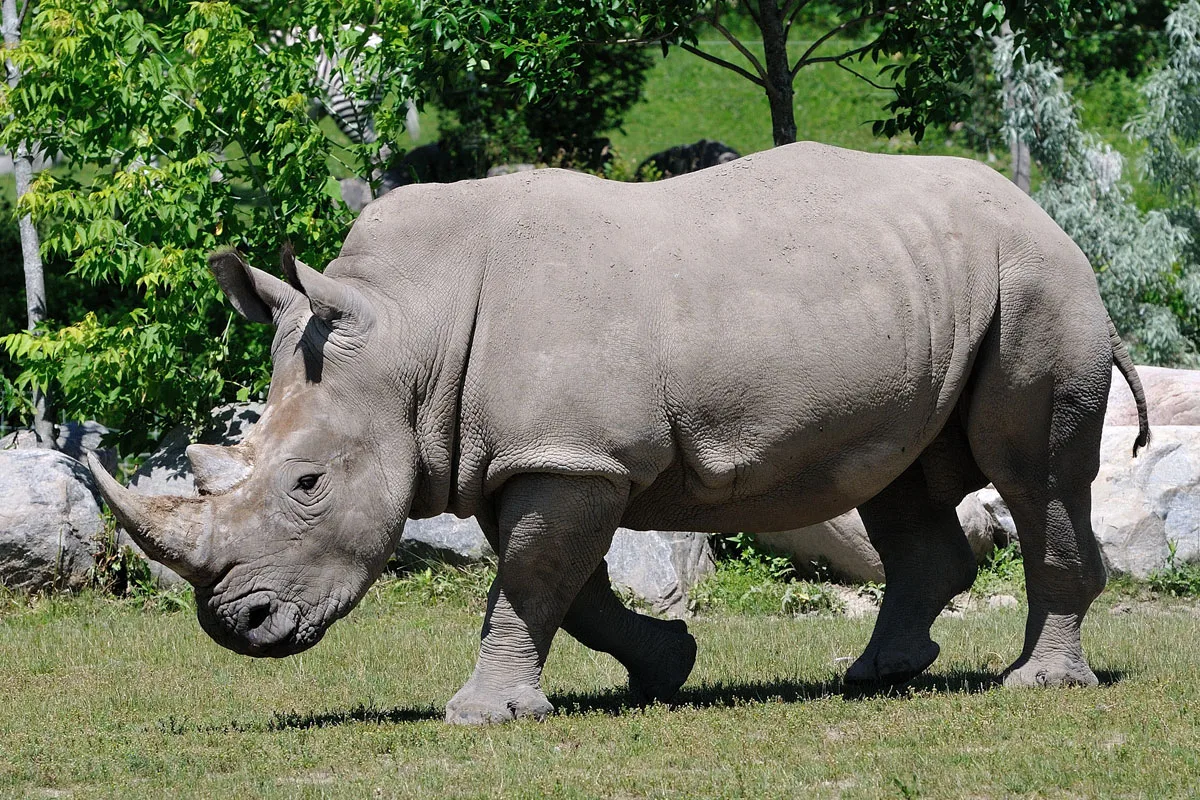
White Rhinoceros
White rhinoceroses are powerful and social animals that need plenty of space to move, rest, and engage in species-typical behaviours like wallowing and social bonding. During the colder months, our rhinos are given the choice to stay indoors—and they often do—which means guests rarely get to see them from late fall to early spring.
The new Indoor African Savanna Habitat will provide a large, climate-controlled space that supports year-round access to natural light, enriching substrates, and more room to roam. Designed with both guest sightlines and rhino welfare in mind, this new habitat will offer an immersive way for visitors to observe these incredible animals while ensuring that the rhinos themselves remain in control of their environment.
With wild populations still under serious threat from poaching and habitat loss, every opportunity to see and learn about white rhinos up close helps inspire support for their conservation.
Grevy's Zebra
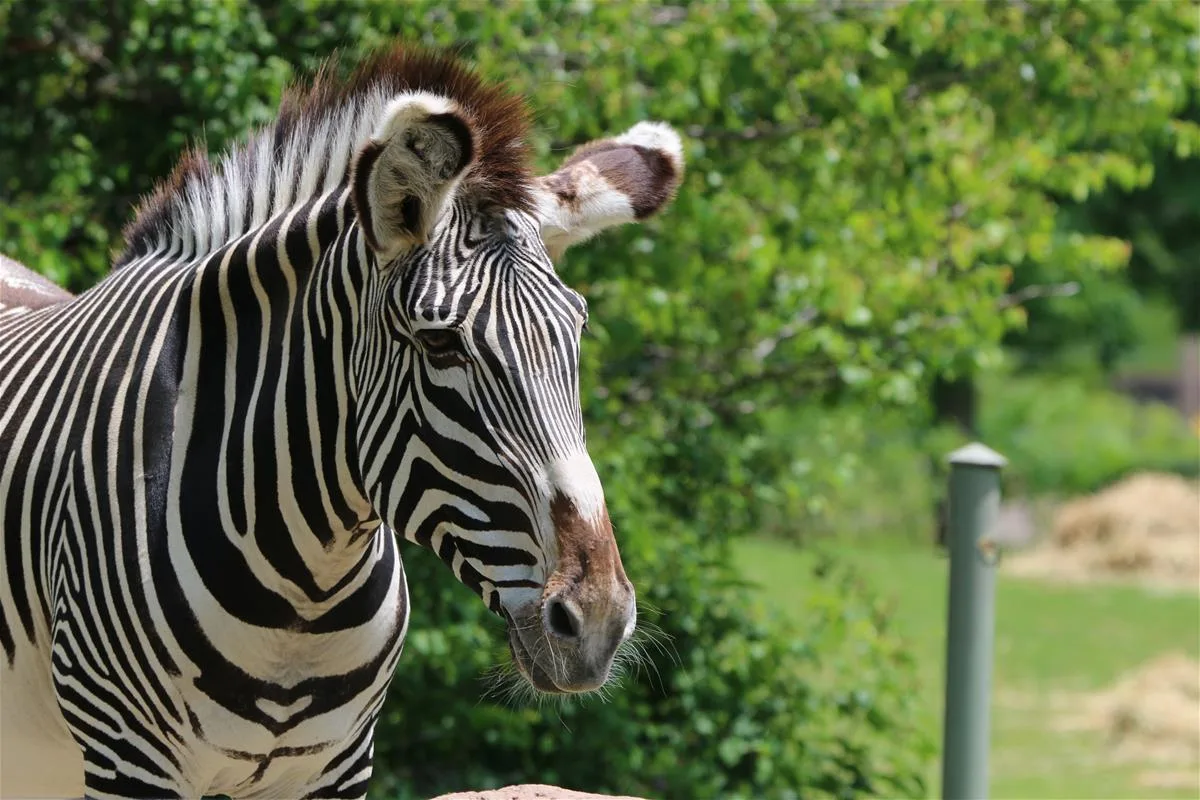
Grevy's Zebras
Grevy’s zebras are the largest and most endangered of all zebra species. With fewer than 2,000 remaining in the wild, the work of accredited zoos like your Toronto Zoo is critical to their survival. These animals are highly alert, social, and active, and they thrive in environments that allow them to interact dynamically with their herd and surroundings.
At the Toronto Zoo, Grevy’s zebras are given the choice to head indoors when the weather is cold. While this is best for their health and comfort, it means guests rarely see their energetic behaviours during the winter months.
The new indoor habitat will offer a spacious and engaging environment where Grevy’s zebras can continue to move freely, explore new stimuli, and interact with other savanna species. Visitors will be able to enjoy a more consistent and enriching viewing experience, while learning about the challenges these zebras face in the wild—and what’s being done to protect them.
Common Eland
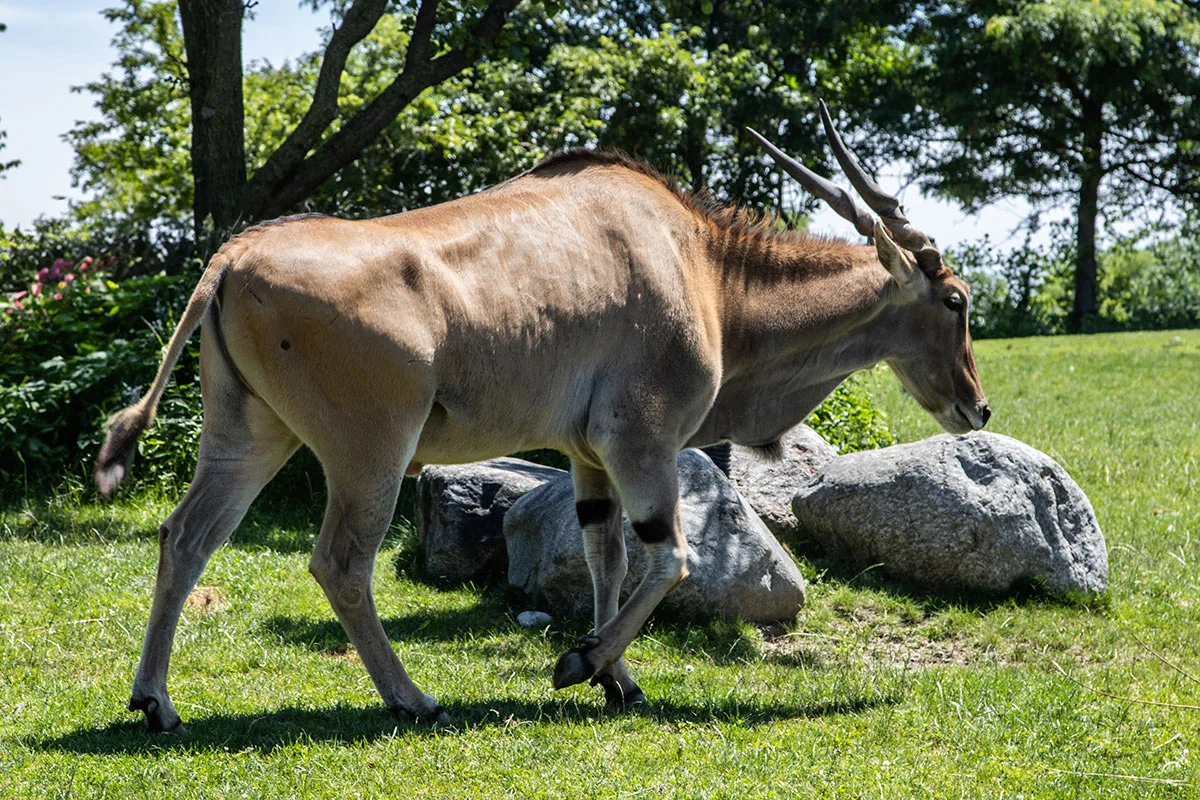
Common Eland
The common eland is the world’s second-largest antelope, known for its gentle nature and impressive spiralled horns. These adaptable grazers and browsers roam the savannas and grasslands of eastern and southern Africa, where they travel in herds in search of food and water.
At the Toronto Zoo, the eland herd plays an important role in sharing the story of Africa’s vast and interconnected ecosystems. They are calm and social animals, often seen resting together or moving slowly through their habitat—though males can leap over two metres when startled!
The new indoor African Savanna habitat will allow the elands to enjoy a comfortable, enriching space year-round. Guests will have the chance to observe their natural behaviours up close, while learning how sustainable conservation programs help protect these magnificent antelope and the wild places they call home.
Greater Kudu
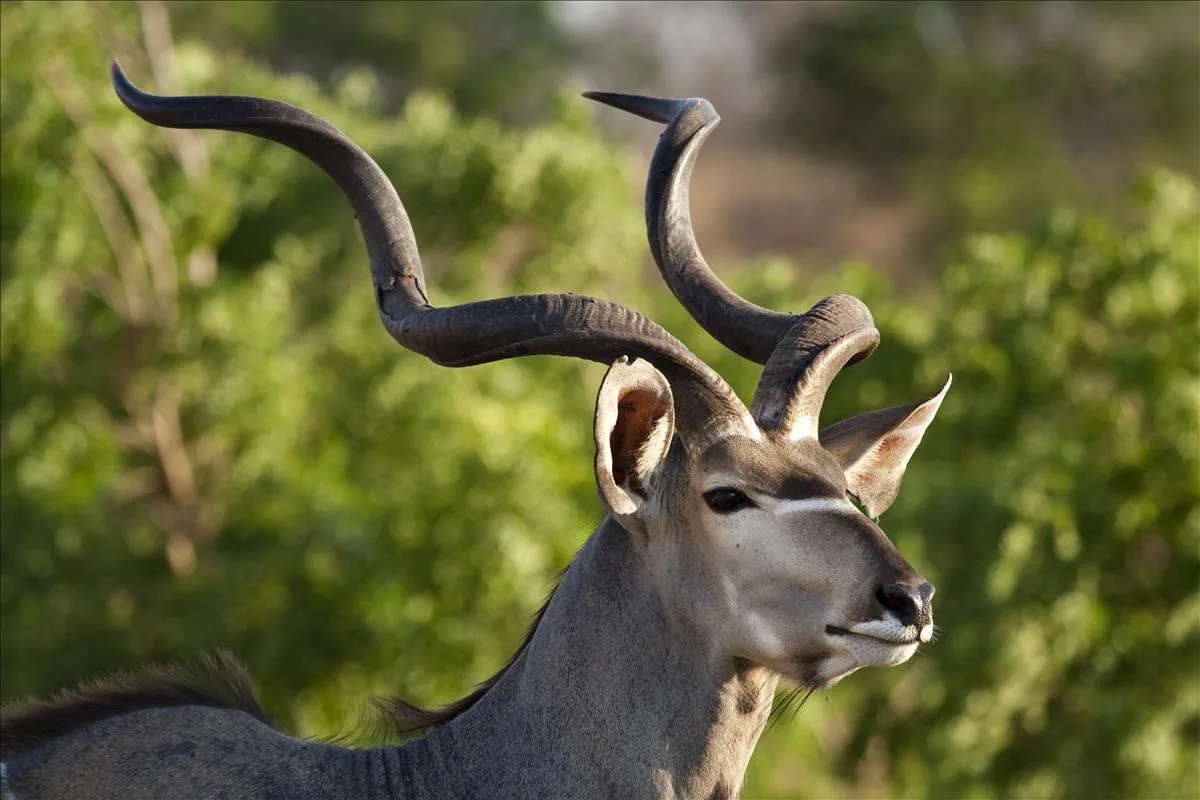
Greater Kudu
The greater kudu is one of Africa’s most striking antelope species, recognized by the long spiral horns of the males and the white stripes that run along their sleek bodies. These quiet, graceful animals are found in the woodlands and savannas of eastern and southern Africa, where their colouring helps them blend into the dappled light of the trees.
At the Toronto Zoo, greater kudus are admired for their calm and observant nature. They are most active in the early morning and evening, browsing on leaves, fruits, and flowers. Their shy behaviour and keen senses make them a wonderful example of how wildlife adapts to its environment.
The new indoor African Savanna habitat will provide the Zoo’s kudus with a comfortable and engaging space during the colder months. Visitors will be able to see these beautiful antelope more often while learning how accredited zoos and conservation programs are working together to protect their species and the ecosystems they depend on.
Contact Us
Where hope meets action:
As we confront the dual challenges of climate change and biodiversity loss, we are fuelled by a profound sense of optimism, confident in the Zoo’s expertise and ability to drive meaningful, lasting change.
Contact us to learn more:
Kathy Koch, Executive Director
416-392-5913
kkoch@torontozoo.ca